 ALB
ALB ACA
ACA CAS
CAS SMG
SMG AFC
AFC OTR
OTR EMM
EMM OSS
OSS VOL
VOL VVV
VVV MVV
MVV HEL
HEL NAC
NAC EIN
EIN RJC
RJC RKC
RKC CAH
CAH UDG
UDG MAL
MAL NIR
NIR ALB
ALB BLR
BLR CZE
CZE CRO
CRO ENG
ENG ESP
ESP MKD
MKD SUI
SUI SVK
SVK MDA
MDA USA
USA PER
PER CAN
CAN CHI
CHI MEX
MEX COL
COL ATL
ATL NYC
NYC MTL
MTL CIN
CIN CLT
CLT CHI
CHI RBNY
RBNY STL
STL PHI
PHI ORL
ORL ATX
ATX SDG
SDG DAL
DAL LAF
LAF HOU
HOU SKC
SKC NSH
NSH TOR
TOR SEA
SEA MIN
MIN RSL
RSL NE
NE LAG
LAG COL
COL SJ
SJ POR
POR VAN
VAN DC
DC CAZ
CAZ TOL
TOL GDL
GDL QRO
QRO CSL
CSL PAC
PAC TIG
TIG PUE
PUE MSR
MSR VGB
VGBDeco Pulls Off a Wild Transfer Window, Landing Rodri as the Marquee Signing and Banking $117 Million in Sales
Barcelona bolstered its attack with Gordon, Adeyemi and Gabriel Jesus, while defense remained the unfinished business of an intense summer of change.

Julian Alvarez slipped away, yes. But that doesn't mean Barcelona tiptoed through this transfer window. Quite the opposite: between low-key arrivals and a couple of last-minute surprises, Deco put together one of the busiest summers the club has seen in recent memory, bringing in six new faces while cleaning up the roster in a way that leaves the books in far better shape.
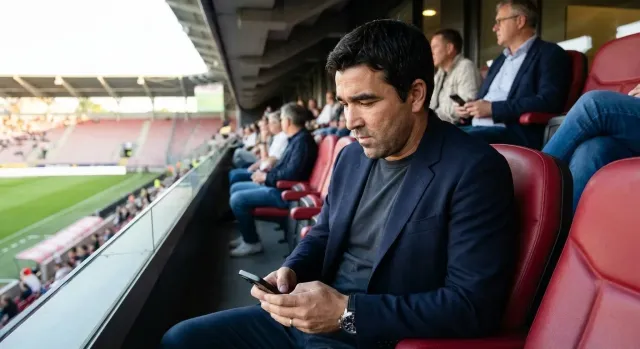
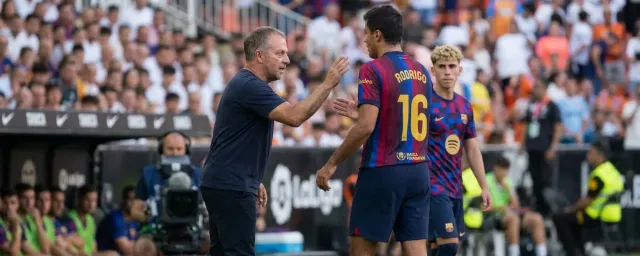
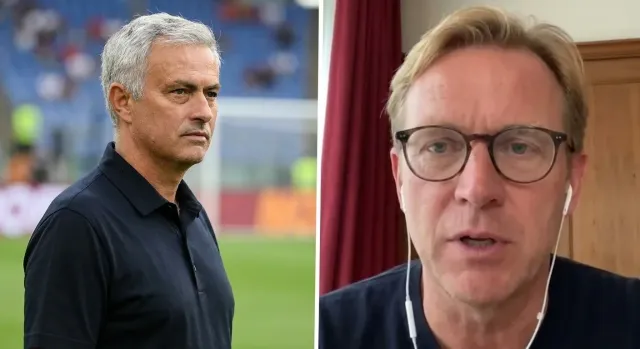
The headline name, without question, is Rodri. Everything pointed to the best player of the 2026 World Cup ending up in white, with Jose Mourinho's Real Madrid already treating the deal as all but done. But Deco inserted himself into the negotiation and ultimately convinced Rodrigo Hernandez that Barcelona was the right destination. Inside the club, they admit it wasn't a planned move but an opportunity that popped up on the market and simply couldn't be passed up. The result: a signing that stings the eternal rival while also handing Flick exactly what he'd been asking for, a commanding leader in central midfield. Paying $69.5 million for a player of that caliber, fresh off winning the World Cup, is the kind of deal you sign without thinking twice.
The forward line also underwent a near-total makeover. With Robert Lewandowski departing for MLS, Ferran Torres sold to PSG, and Marcus Rashford's exit after his purchase option went unexercised, the attack was in urgent need of a rebuild. Julian Alvarez was the declared target, but Atletico Madrid dug in and wouldn't budge. That's when Anthony Gordon ($81 million) and Karim Adeyemi ($25.5 million) entered the picture, two signings that fit Flick's vision like a glove: players who rotate positions, who run, and who press the moment they lose the ball. Gordon, in fact, settled in from his very first training session. And just as it looked like Raphinha would be stuck playing center forward all season, Deco pulled Gabriel Jesus ($11.5 million) out of his hat, unveiled on the final day of the window.
Defense Remains the Unfinished Business
If there's one chapter that still raises doubts, it's defense. The team felt Inigo Martinez's absence far too much last season, and that fragility at the back was never fully addressed. Barcelona explored Alessandro Bastoni early in the window and later turned its attention to Ruud Nijstad of Twente, with an eye more on the future than the immediate present. The Dutch club's financial demands ultimately sank that option. In the end, the only reinforcement came out wide: Joao Cancelo, who arrived on a free transfer after terminating his contract with Al Hilal, having won Flick over with his performance during his previous loan spell. With that, Pau Cubarsi, just 19 years old, remains the undisputed leader of the backline.
There was also some movement between the posts, though on a smaller scale: Dominik Livakovic arrived for just $2.3 million, originally earmarked for next season once Wojciech Szczesny's contract expires, but he'll instead serve as backup to Joan Garcia starting right away.
A Window That Also Brought in Cash
What stood out about this summer wasn't just who came in, but who went out. Deco managed to raise roughly $117 million, a figure the club hasn't seen in quite some time. The biggest sale was Ferran Torres to PSG for $56.2 million, but the club also benefited from transfers involving several La Masia products: Tommy Marques, Ansu Fati, Hector Fort, Jan Virgili, Jofre Torrents, Inaki Pena, Alvaro Cortes, Toni Fernandez and Guille Fernandez, each deal including different percentages of their economic rights.
Marc Casado, sidelined by Flick since the start of the season, turned down offers from Saudi Arabia and Europe and ended up on loan at Deportivo de La Coruna, with no option to buy. Ronald Araujo and Marc-Andre ter Stegen also departed on loan, generating no income but freeing up salary space, a key factor for financial fair play.
All told, counting only fixed fees, Barcelona's spending came in around $190 million, with add-ons included in nearly every deal. Combined with the incoming revenue, the balance sheet leaves the club lighter financially and, on paper, more competitive on the field. Whether the lack of a top-tier center back comes back to haunt them remains to be seen in the months ahead.