 MAC
MAC PER
PER JEF
JEF FMA
FMA SFR
SFR SAN
SAN VER
VER TOK
TOK CZO
CZO KWF
KWF ANT
ANT VVN
VVN COQ
COQ OHI
OHI DEP
DEP LEV
LEV NCX
NCX ATS
ATS ATL
ATL PUM
PUM CTJ
CTJ PUE
PUE SGE
SGE KOE
KOE FRO
FRO SAS
SAS LEM
LEM TOU
TOU MIR
MIR INT
INT CUE
CUE TUN
TUN DYJ
DYJ INS
INS BOC
BOC TAL
TAL QAD
QAD ABH
ABH DIN
DIN TEU
TEU OLY
OLY ATR
ATR QAC
QAC GTI
GTI ATL
ATL SYD
SYD WSW
WSW AKL
AKL MCY
MCY SCR
SCR HTB
HTB SHA
SHA SUM
SUM ARA
ARA BDK
BDK SKB
SKB SPH
SPH CER
CER WES
WES STA
STA DEN
DEN SIR
SIR C48
C48 YAN
YAN LPD
LPD SUP
SUP ITO
ITO VFC
VFC HFX
HFXRafael Márquez wants to change Mexico's culture, not just its results
Mexico's new coach is banking on his playing experience and the addition of a psychologist to his staff ahead of a Nations League clash with Jamaica.

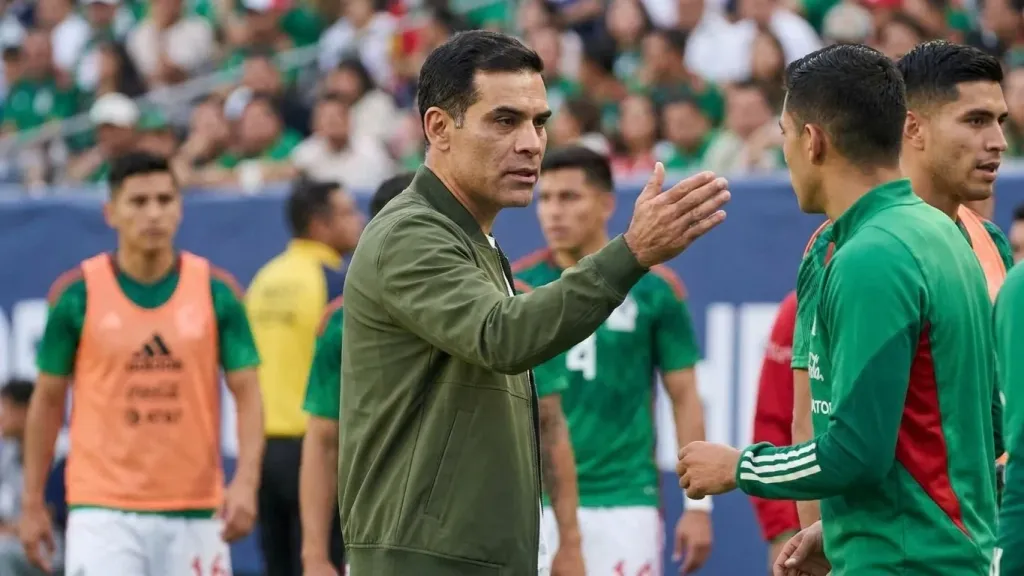
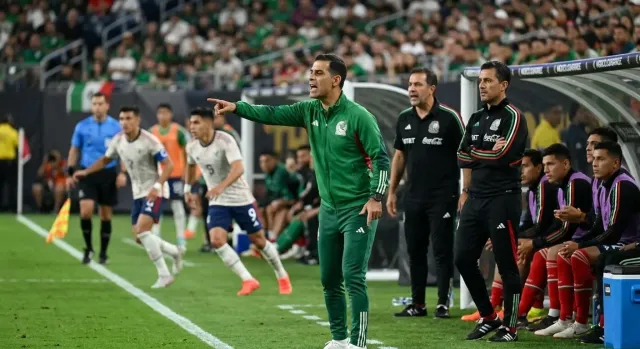
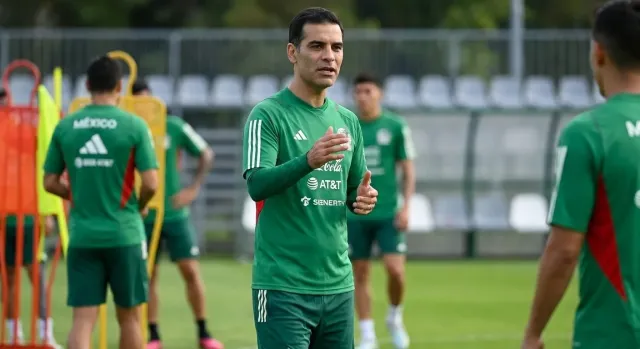
Five World Cups as a player and, in his own words, nothing different from what had already been achieved before. That line sums up why Rafael Márquez arrives on the Mexican national team's bench with one fixed idea: not to repeat history, but to change it from the ground up.
Márquez took the reins of 'El Tri' after Javier Aguirre's run through the 2026 World Cup cycle, and he does so carrying more than twenty years tied to the national team, first as captain and leader, now as head coach. And if he made one thing clear at the FCC's international forum on Friday, it's that he doesn't want to be just another short-term results manager, but someone who leaves a different mark on the group's culture.
I played a long time with the national team, five World Cups, and I didn't achieve anything different from what we had already accomplished. Still, soccer brings short-term challenges, and today there's an opportunity to chase something different for the national team. I hope the history I have in my career helps convince the Mexican player and change our culture to achieve something different.Rafael Márquez
That's the starting point: using his own weight as a former player, five World Cups played without getting past the round of 16, as a tool to convince the players that they can aim higher. It's no small thing to ask a locker room to change its mindset, but Márquez seems to trust that his personal history gives him the authority to try.
Mental health as part of the coaching staff
Beyond the talk of a winning culture, Márquez zeroed in on something very concrete: the need to have a psychologist on the coaching staff. For him, this isn't a luxury or a trend, but an essential piece given the current demands of soccer, both on and off the field.
Having a psychologist or a mental coach on the staff is essential in these times. The evolution of soccer has brought significant changes; there's more and more information to process, along with the complexities of social media. It's crucial to support players mentally so they can stay focused on their work on the field and make good decisions, so that outside factors don't negatively affect their mindset.Rafael Márquez
The Mexican coach went further, explaining why, in his view, almost every club and national team today already has at least one psychologist or mental coach within its structure, a resource he says any head coach should lean on. With a squad of 25 or 26 players, each one different from the next, understanding each individual becomes just as important as designing a tactical plan.
Márquez isn't speaking only from theory. He admitted that during his playing days at Barcelona he himself turned to a psychologist, at a time when pressure and personal situations weighed on him and he needed that support so it wouldn't affect his performance on the field.
That experience repeated itself, but from a different position, when he coached Barcelona B. There, he said, he ended up playing a bit of a psychologist role with his own players, training on one field while the first team worked in a separate area, constantly reminding them how close they were to their dream.
We'd train on one field, then on another one further away, and in a different area the first team would train. I'd take on the role of psychologist, telling them: you're less than 100 meters from fulfilling your dream, what are you going to do today in training to take a step toward that side of the club? I had the advantage of their respect because they knew I had played on that side of the club. You become a psychologist to bring out the best version of them. I had to give them care and attention so that, when I needed them, they'd give everything, and now many of them play for the first team.Rafael Márquez
With that philosophy in hand, Márquez and the Mexican national team will return to action in the November FIFA window, when they face Jamaica in the quarterfinals of the Nations League. It will be the first real test of whether that cultural shift he talks so much about starts showing up on the field as well.