 CTJ
CTJ ATS
ATS SLV
SLV MTQ
MTQ KHA
KHA POL
POL GEO
GEO NIR
NIR ARM
ARM LVA
LVA HUN
HUN UKR
UKR ITA
ITA BEL
BEL MNE
MNE CYP
CYP POL
POL BIH
BIH SWE
SWE ROU
ROU TUR
TUR FRA
FRA AUS
AUS BRA
BRA IND
IND PAN
PAN ATL
ATL MTY
MTY BER
BER GLP
GLP GRN
GRN CUB
CUB BRB
BRB LCA
LCA SKN
SKN JAM
JAM GUA
GUA HON
HON SUR
SUR MOZ
MOZ SEN
SEN SDN
SDN ETH
ETH TAN
TAN GNB
GNB NIG
NIG LES
LES NGA
NGA MAD
MAD RWA
RWA LBR
LBR TOG
TOG BDI
BDI MWI
MWI SSD
SSD GAM
GAM SOM
SOM ALG
ALG ZAM
ZAM MAR
MAR GAB
GAB MLI
MLI CPV
CPV EGY
EGY ANG
ANG BFA
BFA BEN
BEN SAB
SAB RPO
RPO AUR
AUR NAL
NAL CAR
CAR CAV
CAV SUP
SUP WXW
WXW GXH
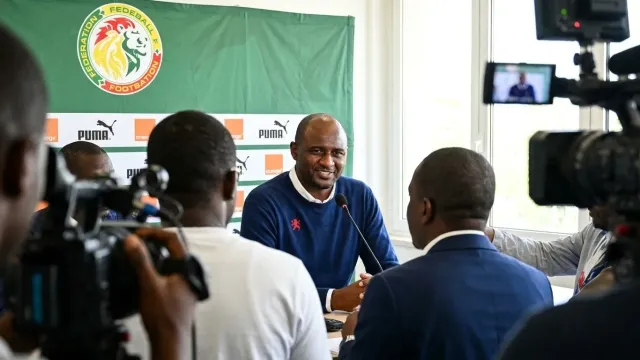
GXHPatrick Vieira Inherits a Senegal in Pieces After Post-World Cup Chaos
From an Africa Cup title to a round of 16 exit, a flight that never showed up, and Thiaw's dismissal: here's how the collapse unfolded, and it's now up to the new coach to stop it.

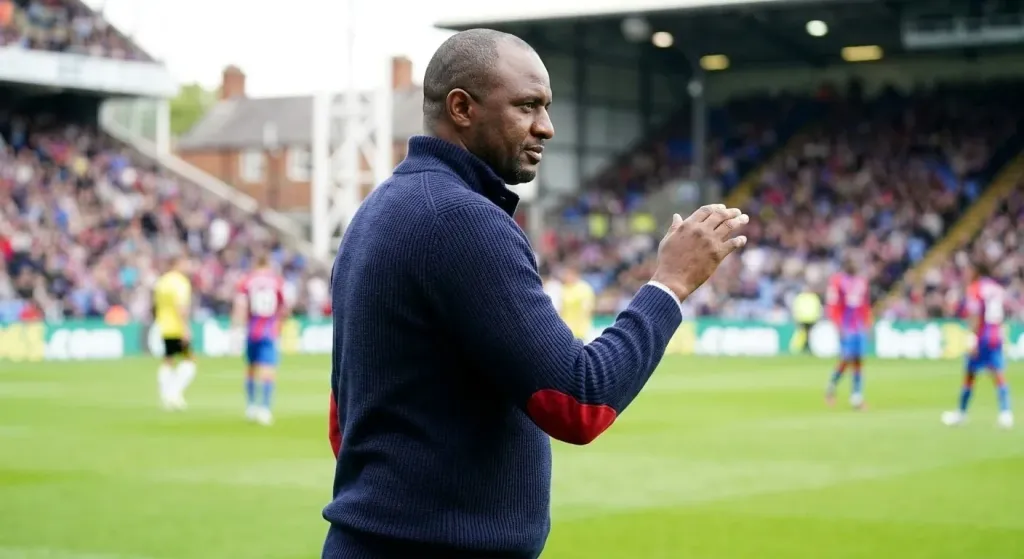
Just a few months ago, Senegal was celebrating in Rabat as champion of Africa, with Pape Gueye scoring the winning goal in extra time of a nerve-wracking final against Morocco. Today, that same country is searching for answers to a string of misfortunes that seems to have no end. And right there, in the middle of the wreckage, stands Patrick Vieira, the man now tasked with restoring order.
It's worth remembering how that AFCON 2024 final played out, because that's where it all began. Brahim Diaz had to wait more than ten minutes to take a stoppage-time penalty, after Senegal had a goal ruled out by VAR and Morocco was awarded one in the final sequence of play. When he finally stepped up, he attempted a Panenka that turned out to be, quite possibly, one of the most ill-fated in memory. He missed. Then in extra time, Pape Gueye sealed the title for the Teranga Lions.
That triumph was supposed to be the springboard for repeating the historic run of 2002 at the World Cup. Instead, Senegal arrived in North America with an aging squad: four players from the spine of the team, including Sadio Mane, Edouard Mendy, Kalidou Koulibaly and Idrissa Gana Gueye, were 34 or older, and five others were already past thirty. Koulibaly, on top of that, arrived without match rhythm after two months out of action, and it showed.
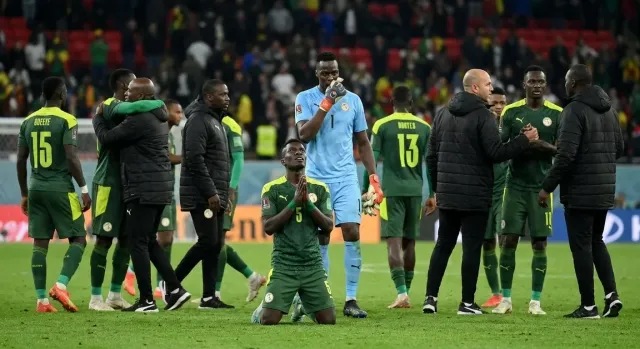
The tournament confirmed the doubts. They lost 3-1 to France in New York despite not playing badly, then fell 3-2 to Norway, with Koulibaly enduring an afternoon to forget and a knee injury ruling Mendy out for the rest of the competition. Still, they thrashed Iraq 5-0 to reach the round of 16, where a seemingly manageable Belgium awaited.
And that's when the year's second cruel blow landed: Senegal was leading 2-0 with just minutes left, until Romelu Lukaku and Youri Tielemans equalized almost at the death. In the 125th minute, a contested penalty, called for a foul by Lamine Camara on Tielemans, sent Belgium through to the quarterfinals. The parallel with Rabat was impossible to ignore: six months earlier they had been seconds away from losing a final on a missed penalty; now a near-certain qualification had slipped through their fingers.
A Broken Locker Room and a Country Adrift
What followed was almost worse than the elimination itself. Pape Sarr announced his international retirement "as long as the current coaching staff remains in charge," a reference to the tensions with then-manager Pape Thiaw. The federation had to publicly deny allegations of misconduct by officials during the tournament, and even though they denied it, the mere fact that such rumors were circulating said a lot about the atmosphere surrounding the team.
Then came the plane saga. A charter flight was supposed to pick up the delegation after the elimination and never showed up, due to a breakdown in communication between the government and the federation over who was responsible for arranging it. While the players managed to find alternative arrangements, other members of the delegation were left stranded in Seattle for five days, housed in three-star hotels. One of them admitted to feeling "abandoned."
Back in Dakar, federation president Abdoulaye Fall held a press conference to review the tournament and ended up targeting the medical staff, going so far as to say the head doctor had been "trained as a gynecologist," a comment that made headlines but did not reflect his actual credentials in sports medicine.
Thiaw didn't last much longer: from African champion in January to fired six months later, an unusually swift fall by the standards of continental soccer. The warning signs had been there all along: he arrived at the World Cup without a renewed contract, something he himself brought up before the match against Norway, with the federation never offering him acceptable terms despite the title won months earlier.
Vieira's Inheritance
Against that backdrop, Patrick Vieira, born in Dakar, arrives to take the reins of a national team that needs to look forward. He inherits young names like Nicolas Jackson, Pape Matar Sarr, Lamine Camara, Ibrahim Mbaye and Iliman Ndiaye, but also a shaken locker room and a federation with management problems that the golden generation of Mane, Mendy, Koulibaly and company had managed to paper over as long as they kept winning.
Even his arrival wasn't straightforward: Senegal announced him as coach before finalizing all the terms of the agreement and before Thiaw's departure had been made official. Even so, Vieira is already in Dakar. His first challenge won't be tactical, but almost emotional: mending the locker room, restoring internal order, navigating the federation's politics, and turning a group of talented players back into a national team that commands respect again.